Septic Warning Signs: What to Do Before and After You Call
Knowing the warning signs and the first few things to do can keep a small septic problem from becoming a big one.
October 8, 2026 · 4 min read
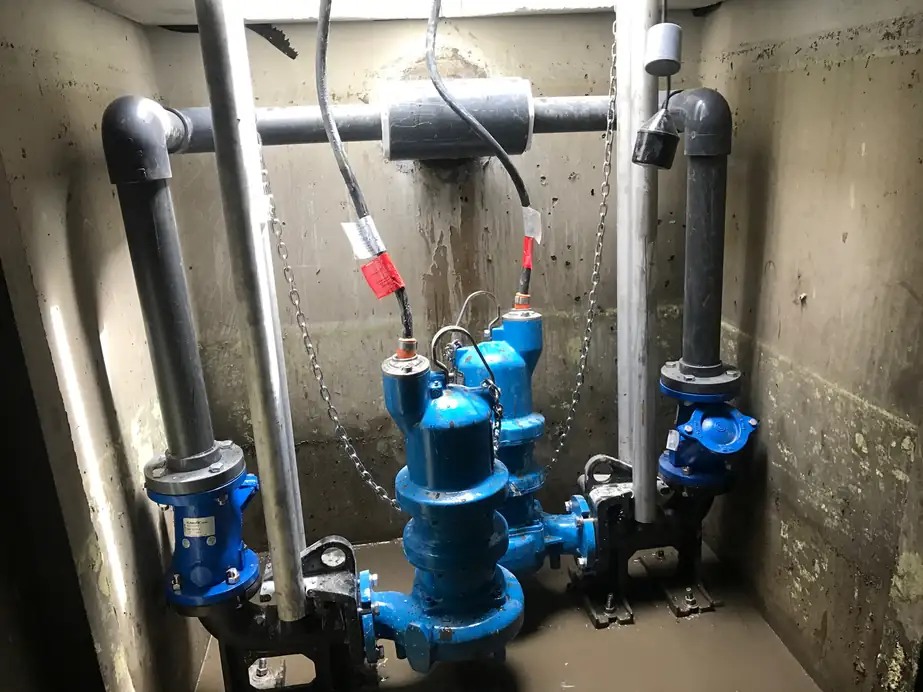
Septic systems rarely fail all at once. They hint first. The trouble is that the hints look like ordinary household annoyances until the day wastewater shows up where it shouldn't. This guide covers how to read the signs, what to do before you pick up the phone, and what usually happens on the first visit.
Signs your system is failing
- Slow drains in more than one fixture, especially the lowest ones in the house.
- Gurgling from pipes or toilets when water runs elsewhere.
- Sewage odours indoors, around the tank lids, or out over the drainfield.
- Wastewater backing up into a tub, shower or floor drain.
- Soggy ground, pooling water or unusually lush, green grass over the field.
- A pump alarm sounding or a pump running constantly, if your system has a pump.
One slow drain is probably a clog in that fixture. Several symptoms at once, or any wet ground over the field, point at the system itself. A pump alarm means the pump chamber is filling faster than the pump is emptying it, and water use should stop until someone looks at it.
What to do before you call
The first job is to stop feeding the problem. Every gallon you send down the drain goes into a tank or field that may already be full or blocked.
- Cut water use: hold off on laundry, dishwasher loads and long showers.
- Keep people and pets away from any wet ground or standing water over the field.
- Don't pour drain cleaners, bleach or septic additives into the system hoping to fix it.
- Don't open or pry at the tank lids yourself. Gases in a tank are dangerous.
- Write down what you've seen and when: which drains, which smells, where the wet ground is.
- Find any paperwork you have, such as pumping receipts, a site plan or a permit.
Those notes matter more than you'd think. Telling the office that the shower and the washer back up but the kitchen sink is fine helps narrow down where to look before anyone arrives.
If you're renting the property or managing it for someone else, tell the owner right away. A septic problem that waits for approval tends to get worse, and the repair history belongs with the owner's records. When you do call, mention where the tank lids are, if you know, and whether the property is on a well, since that changes how carefully a failing field has to be handled.
What the first visit looks like
Pumping the tank is sometimes the answer, but often it isn't the whole answer, and a company that only pumps and leaves can miss the real cause. The usual first step is a diagnostic inspection: the tank, the baffles, the distribution box, the pump and floats if you have them, and the drainfield. Findings can include leaks, cracks, blockages, collapsed pipes, damaged baffles or too much buildup of solids. Camera work lets a technician see inside the system without digging up the yard.
One customer, Kim Cook, wrote in a Google review about a 30 year old drainfield that failed on a weekend. She found the company online, read the reviews and called, and the office answered the phone. Wyatt came out with a camera to look inside the system, and she said the news was not good. That's the honest part of a diagnostic visit: you learn what's really wrong, even when it isn't what you hoped to hear.
When pumping is not enough
If solids have already traveled into the drainfield, or the soil has saturated or compacted, emptying the tank only buys a little time. Fixes then range from repairing a baffle, a pipe or the distribution box, to aerating the field or adding drainage lines, to replacing the drainfield in severe cases. A replacement needs a design and a permit, and your county health district sets the rules for that process.
After the repair
Once the system is working again, ask for the findings in writing, and keep the pumping or repair paperwork with your other septic records. Ask what likely caused the failure, so you can change whatever contributed to it, whether that was water use, a root problem, an old tank or a field that was simply worn out. Installing an alarm, if you don't have one, gives you a warning next time before the yard does.
The Selah office is open Monday through Friday, 7 AM to 3 PM, closed Saturday and Sunday, and the phone number is (509) 367-3384. Call as soon as you notice a pattern, or use the contact page to describe what you're seeing.
Washington Wastewater Solutions, (509) 367-3384
Call (509) 367-3384More articles
A Homeowner's Guide to the Parts of Your Septic System
Six parts, one path for the water, and a clear idea of which kind of septic work belongs to which part.
Septic Inspections and Pumping: Setting a Schedule That Fits Your System
An inspection every one to three years tells you what your own tank needs, so pumping stops being a guess.