Everyday Habits That Keep a Septic System Healthy
Most septic failures start as household habits, and most of those habits are easy to change.
October 8, 2026 · 3 min read
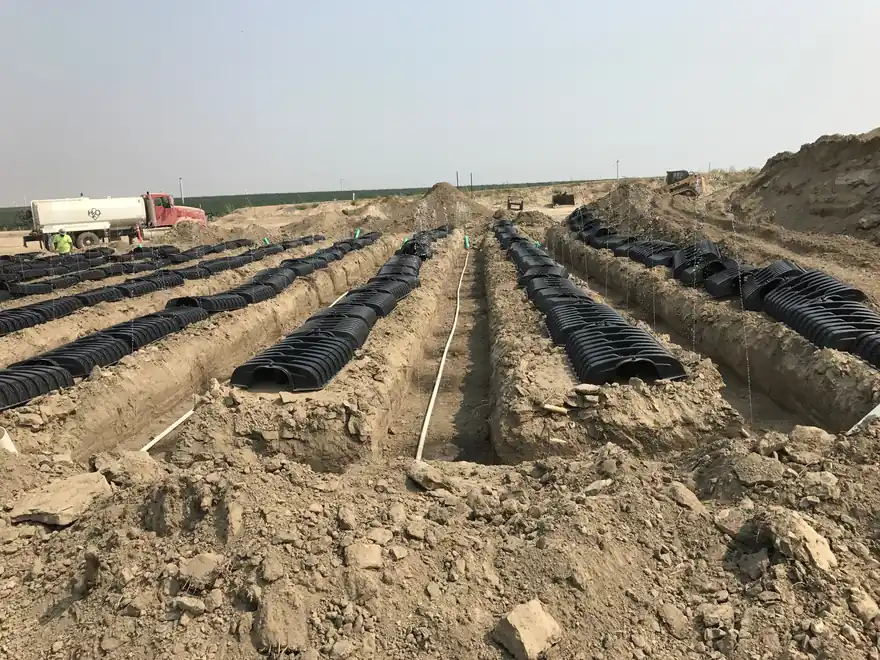
Your septic system works around the clock with no help from you, which is exactly why it's easy to forget until something goes wrong. The good news is that most of what protects it is ordinary household behavior. These habits cost nothing and they protect the most expensive part of your property's plumbing, the drainfield.
Spread out your water use
A tank only works well when wastewater has time to sit and separate. A flood of water, such as five loads of laundry on a Saturday morning, pushes liquid through before the solids have settled and can overload the drainfield. Spread laundry across the week, run the dishwasher full and fix leaking toilets and dripping faucets promptly. A toilet that runs on quietly all day can send hundreds of extra gallons into the system without anyone noticing.
Water-saving fixtures help too, especially in a household that has grown. If you've added people to the house, the system you had when it was just two of you may be working harder than it was designed for.
Mind what goes down the drain
The tank is not a trash can. Bacteria in the tank break down human waste and toilet paper. Almost everything else either doesn't break down or interferes with the bacteria that do the work.
- Flush only human waste and toilet paper. Wipes labeled flushable still don't belong.
- Keep cooking grease and oil out of the sink. It floats, builds up as scum and can carry into the field.
- Skip paint, solvents, pesticides and other chemicals. They can harm the tank's biology and the soil.
- Go easy on bleach and harsh drain cleaners, which can kill the bacteria the tank depends on.
- Don't flush medications, cotton swabs, dental floss, cat litter or feminine products.
- Go light on the garbage disposal. Food scraps add solids the tank has to hold.
Protect the drainfield
The soil over and around your field does real work, and it needs to stay loose and undisturbed. Keep vehicles, trailers, ATVs and heavy equipment off it. Weight compacts the soil, crushes pipes and chambers, and cuts the field's ability to absorb water. That's especially true in spring and during wet winters, when Selah-area ground can turn to muck and soft soil is easiest to damage.
Leave the area over the field in grass. Grass holds the soil in place and takes up some moisture without sending roots down into the pipes. Keep sprinklers and downspouts aimed away from it so you're not adding extra water to a field that already has its hands full.
Trees, shrubs and deep roots
Roots go looking for water, and a septic line is a reliable source of it. Trees and shrubs with deep or aggressive root systems planted near the tank, pipes or drainfield can crack lines, clog the distribution box and invade the field. Repairs for root intrusion can involve removing roots from the pipes, installing root barriers, or trimming or removing nearby trees. It's far cheaper to plant them somewhere else. If you're not sure how far is far enough, ask when your system is inspected, or check your original site plan, since a designer plans for this when laying out the system.
Make the system easy to reach
A tank buried under sod gets pumped less often and inspected less thoroughly, because nobody wants to dig for it. Access risers bring the lids up to ground level so a technician can open them in minutes, with no excavation. They also let you check the tank yourself for standing water or alarms. The green riser lids you can spot on some of the installs shown on this site are exactly that. Whatever you do, don't build a deck, patio or shed over the lids or the tank.
Watch, listen and keep the alarm working
Pay attention to the little changes: a drain that has started to run slow, a faint odour near the lids, grass over the field that's suddenly greener than the lawn around it, or a spot that stays wet when the rest of the yard is dry. If your system has a pump alarm, test it as your installer recommends, and take it seriously when it sounds. An alarm that has been silenced and forgotten has stopped doing its one job.
These habits don't replace inspections every 1 to 3 years, and they don't replace pumping when your tank needs it. They make both of those go better. If you'd like a second set of eyes on your system, call the Selah office at (509) 367-3384 or reach out through the contact page.
Washington Wastewater Solutions, (509) 367-3384
Call (509) 367-3384More articles
A Homeowner's Guide to the Parts of Your Septic System
Six parts, one path for the water, and a clear idea of which kind of septic work belongs to which part.
Septic Inspections and Pumping: Setting a Schedule That Fits Your System
An inspection every one to three years tells you what your own tank needs, so pumping stops being a guess.